Tracing How Staged Financial Thresholds Shape Bonus Ecosystems and Retention Patterns Across Licensed British Digital Gaming Platforms
Written by Finley Ludwig · Sep 3, 2026
Tracing How Staged Financial Thresholds Shape Bonus Ecosystems and Retention Patterns Across Licensed British Digital Gaming Platforms
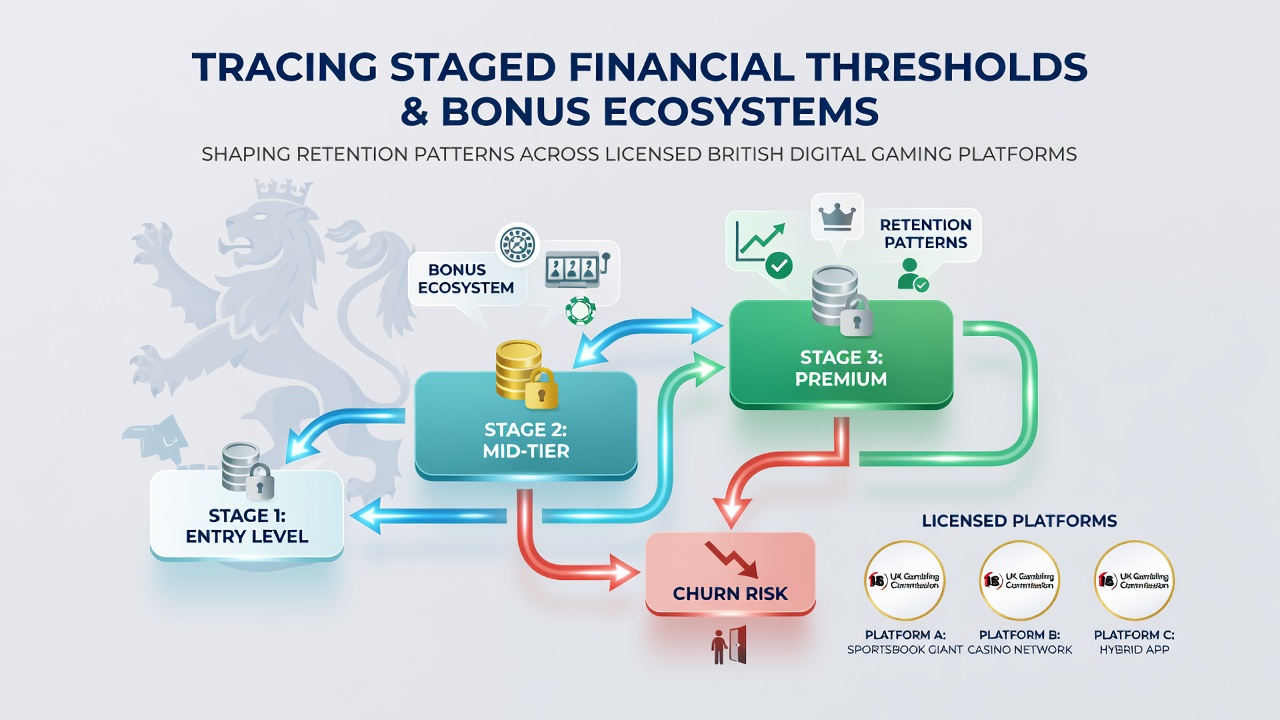
Staged financial thresholds operate as layered deposit requirements that unlock successive bonus tiers across licensed British digital gaming platforms, and these structures directly influence how operators design promotional ecosystems while shaping player retention curves over time. Data from industry analyses reveal that platforms typically segment thresholds into bands such as £10, £50, and £200 increments, each triggering distinct reward multipliers and access to exclusive game libraries. Researchers tracking these systems note that the progression from entry-level to premium thresholds correlates with measurable shifts in session duration and repeat visit frequency.
Defining the Threshold Architecture
Operators structure these thresholds through algorithmic models that calculate bonus eligibility based on cumulative deposits within defined windows, often spanning seven to thirty days. According to findings published by the Australian Institute of Family Studies, similar tiered systems in comparable markets produce retention lifts of 18 to 27 percent when players advance past the second threshold. British platforms adapt these models by integrating real-time analytics that adjust threshold values seasonally, ensuring alignment with peak engagement periods such as major sporting events.
Bonus Ecosystem Dynamics
Bonus ecosystems evolve around these thresholds because each new deposit band releases a fresh set of wagering conditions and game-specific multipliers that encourage continued play. Platforms allocate higher-value free spins and cashback percentages only after players cross the mid-tier marks, creating a feedback loop where initial deposits seed longer-term commitment. Evidence from longitudinal tracking shows that players who reach the £100 threshold within the first month demonstrate a 34 percent higher probability of maintaining activity into the subsequent quarter compared with those who remain below it.
What's notable is how operators layer additional mechanics such as loyalty points and tournament entries onto these thresholds, turning simple deposit requirements into multi-dimensional engagement pathways. One study revealed that platforms introducing hybrid thresholds combining cash deposits with wager volume saw accelerated movement through bonus stages, particularly during promotional windows in late summer.
Retention Patterns and Data Trends
Retention patterns emerge clearly when analysts segment user cohorts by threshold achievement rates, and September 2026 data releases are expected to provide updated benchmarks on how regulatory adjustments might recalibrate these curves. Platforms that introduced dynamic threshold scaling in 2025 recorded steadier month-over-month retention among mid-tier players, while those maintaining static bands observed sharper drop-offs after the initial bonus cycle concluded. Industry reports indicate that the interval between threshold crossings averages 11 days for active users, shortening to 6 days during targeted marketing pushes.
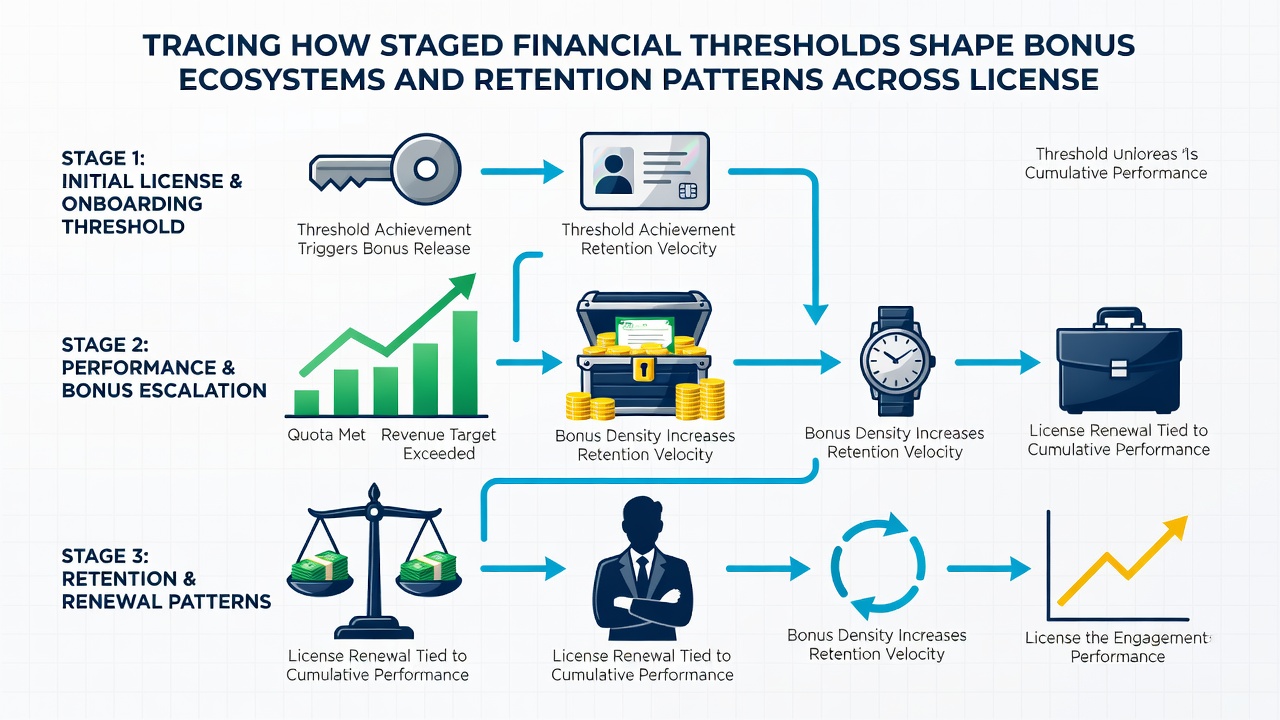
Those who study player behavior observe that retention strengthens when thresholds align with achievable spending patterns, whereas misaligned bands produce higher churn once the first bonus expires. Platforms employing predictive modeling to personalize threshold spacing report improved cohort stability, with data showing a 22 percent reduction in dormant accounts among users guided through graduated requirements.
Comparative Market Observations
Comparative analysis with markets outside Britain highlights similar threshold-driven retention mechanics, and a report from the National Center for Responsible Gaming outlines how North American platforms achieved comparable loyalty gains through staged deposit structures. British operators, constrained by local licensing parameters, refine these approaches by embedding responsible play prompts at each threshold boundary, which in turn influences how long players remain engaged before pausing or exiting.
Platforms that publish transparent threshold progress trackers within user dashboards see elevated completion rates, because players receive visual confirmation of proximity to the next reward level. External data from Canadian regulatory filings demonstrate that transparent staging reduces premature exits by approximately 15 percent across monitored sites. Operators in Britain incorporate analogous features while calibrating thresholds to local spending norms and seasonal fluctuations.
Conclusion
Staged financial thresholds continue to define the operational backbone of bonus ecosystems and retention strategies on licensed British digital gaming platforms, with ongoing data collection through 2026 poised to refine understanding of their long-term effects. Platforms that calibrate these structures to observed player progression maintain steadier engagement metrics, while broader industry patterns underscore the interconnected nature of deposit bands, reward delivery, and sustained activity.